Men’s mental health is the topic today. This piece is written by preeminent mental health speaker, Mike Veny.
Men’s mental health is in crisis, especially in America. The number of suicides is continuing to rise in our country and the statistics are scary. White men alone account for almost 70% of the suicide deaths each year. We need to begin to address men's mental health so we can help them get the help they need before their challenges become a crisis.
My Mental Health as a Man
I could throw a bunch of statistics at
you, but I'm not going to do that. Instead, I'm going to speak from my own
personal experience. You see, I'm a black man who has struggled with mental
health challenges since childhood. I've reached the point of "crisis"
more than once. When I was just 10 years old, I attempted to take my own life.
And that's one of the reasons I think
it's so important to start addressing the issue of men's mental health at
childhood by:
Teaching boys that feelings are okay
Encouraging boys to express their feelings
Celebrating the expression of feelings as an essential aspect of masculinity
Men’s Mental Health Can Be
Improved by Lessons Learned Young
Everything for men starts when they're boys. But while this may be common sense, we still seem to struggle with taking the necessary steps to correct the problem where it's starting.
I wish I had been taught how to feel my
feelings as a boy. I believe that it could have helped me to avoid reaching
that "crisis" stage with my own mental health. That's why I believe
helping men avoid the crisis stage with mental health challenges starts by
addressing feelings from childhood.
Teach Boys to Improve Men’s Mental Health
Here's where I think we need to head as a society.
Teach boys that feelings are okay.
The cartoons and shows that I watched showed the strong male hero who was always the winner in the end. The female characters and roles tended to be softer and more emotional ones. While they weren't directly saying the message, I got it loud and clear – as a boy, feelings aren't okay.
I know there is more work than ever
before being done to try to break through gender roles being taught to
children, but it's still there. And more than teaching children that they can
like any color or play with any toy, I wish boys were being taught that
feelings are normal and not something to hide from or be ashamed of.
Teach boys how to express their feelings.
Even though we are getting more progressive,
the expectation is still there that boys shouldn't cry. We might say it's okay
for boys to cry, but all too often, they also hear things like, "Stop
crying," or "You're such a girl," if they do cry in front of
others.
Everyone has feelings and yet boys aren't
encouraged to express them the same way that girls are. I wish I had been
encouraged to express my emotions as a boy because my man’s mental health is
paying for it. I'm having to learn how to feel my feelings and then how to
express them in a healthy way.
There are plenty of boys who don't know how to express their feelings, so it turns into anger when they bury it. This is the same thing that happened to me as a child. Eventually, it builds up enough that it causes an explosive outburst or worse. And these boys eventually grow up to be men who react the same way.
Remember that boys and men might not know
how to express their feelings as naturally as girls might, but it's something
they can be taught. Here are some things you can do for a boy to improve his
mental health when he becomes a man:
Teach him the right words to use to share his feelings. When people – both children and adults – don't know the right words to use, it can lead to frustration and anger. Teach them about the different kinds of feelings and the words that are associated with them.
Listen to him without judgment. If you're always telling a boy how he "should" feel, then he will never learn how to identify what he's actually feeling, or he will think his feelings are wrong. Instead of telling him how he feels, ask him and then listen.
Praise him when he shows emotions in a healthy way. Kids love to be acknowledged in a positive way. And, I'm sure you've heard before, that if they aren't getting that positive attention, they'll settle for the negative attention. This is why it's important you reinforce a boy’s behavior when he is doing it right.
Model the right behavior. Adults need to be the example for children, but too many adults are struggling to properly handle their own emotions. You need to learn how to handle your own feelings, especially the difficult ones.
Celebrate the expression of feelings as an essential aspect of masculinity.
There's this stereotype out there among men that showing feelings is feminine. This makes things like dealing with depression even more difficult. Masculinity and depression don’t seem to “fit.” However, as I've gotten older and learned to get in touch with my emotional side, I've never felt more masculine. This is all a result of working on my feelings. Men need to know that they are not sacrificing something by learning to express their feelings – they're actually gaining something from it. I wish I had been taught that from childhood.
Mental Health in Men and Asking for Help
Many men also struggle with admitting when they need help. It feels like a blow to our pride to say that we can't handle something on our own. But it's important for men to be reassured that everyone needs help at times. And it's a real man who is willing to admit when he can't handle his emotions on his own. There's nothing wrong with talking to someone like a therapist when things are more than they can handle alone. And often, it can help stop men’s mental health challenges before they become a crisis.
About Mike Veny
Mike Veny is a mental health speaker and best-selling author. He delivers engaging presentations with raw energy and a fresh perspective on diversity and inclusion. He shares how he went from struggling with mental health challenges to being a thought leader that travels the globe telling his story to help transform stigma. He is a highly sought-after keynote speaker, corporate drumming event facilitator, author, and luggage enthusiast. Seriously, you'd completely get it if you did all the traveling he did!
If you want to know more about Mike Veny, you can see more of his story in this video.
Natasha Tracy is an award-winning writer, speaker, advocate, and consultant from the Pacific Northwest. She has been living with bipolar disorder for 26 years and has written more than 2000 articles on the subject.
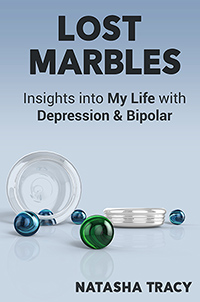
Find more of Natasha’s work in her acclaimed book: "Lost Marbles: Insights into My Life with Depression & Bipolar" on Amazon.
Connect with Natasha at the social media links below.
Shopping for someone with a mental illness can feel tricky—you want a gift that actually helps, not just more clutter. This guide walks you through 15 thoughtful, low-pressure mental health gifts that offer real comfort, reduce stress, and say, “I see you and I’m here,” during the holidays and all year.
I’m never going to call bipolar pain a “gift.” Most days, I just want it to stop. But emotional and even physical pain aren’t always random torture—they’re often trying to tell us something. This piece digs into what your pain might be saying, how to listen, and how that can make living with it just a little easier.
World Mental Health Day, 2025: The U.S. is rolling back mental-health care. Parity is paused, 988 LGBTQ+ services were cut, and clinics face funding hits. Here’s exactly what changed and how it harms people with mental illness.
BRAVO!
I completely agree, society’s attitude towards raising an emotionally aware male is unacceptable!
I have three adult sons, and I watched each of them suffer from suppressed emotions and/or the lack of male emotional support.
When the lessons or support come from your Mother or any woman for that matter, it really isn’t the same in the eyes of a little boy.
I am a witness to the fact that anger and frustration are a serious danger to their overall mental health.
I wish more people were aware.
Thank you.
Outstanding piece, Mike and thanks, Natasha for featuring his essay. Many of the false teachings about men not allowed to express feelings comes from the Great Depression and WWII. Of course, this belief existed prior to those hardships, but were greatly reinforced and strengthend by them. Media, sepecially movies, popularized this. Dangerous beliefs about child discipline for boys included physicial punishment for expressing feelings. Depression in men, in my opinion as a mental healthcare practitioner, is seriously under reported, usually identified as more frequent in women, leading to a common belief that once again, it’s not “manly” to have need for therapy. We have a long hard road ahead when you also consider the poor and dysfunctional national ‘leadership’ we currently have. Violence and victim blaming are sadly alive and well. Thanks for speaking out about this long neglected need for normalizing the expression of feelings in boys.
Steven B. Uhrik, LCSW, CEAP
Subscribe to my monthly newsletter to get the latest from Bipolar Burble, Breaking Bipolar, my vlogs at bpHope, my masterclasses, and other useful tidbits -- plus get a FREE eBook on coping skills.
Thank you for subscribing. Look for an email to complete your subscription.





BRAVO!
I completely agree, society’s attitude towards raising an emotionally aware male is unacceptable!
I have three adult sons, and I watched each of them suffer from suppressed emotions and/or the lack of male emotional support.
When the lessons or support come from your Mother or any woman for that matter, it really isn’t the same in the eyes of a little boy.
I am a witness to the fact that anger and frustration are a serious danger to their overall mental health.
I wish more people were aware.
Thank you.
Outstanding piece, Mike and thanks, Natasha for featuring his essay. Many of the false teachings about men not allowed to express feelings comes from the Great Depression and WWII. Of course, this belief existed prior to those hardships, but were greatly reinforced and strengthend by them. Media, sepecially movies, popularized this. Dangerous beliefs about child discipline for boys included physicial punishment for expressing feelings. Depression in men, in my opinion as a mental healthcare practitioner, is seriously under reported, usually identified as more frequent in women, leading to a common belief that once again, it’s not “manly” to have need for therapy. We have a long hard road ahead when you also consider the poor and dysfunctional national ‘leadership’ we currently have. Violence and victim blaming are sadly alive and well. Thanks for speaking out about this long neglected need for normalizing the expression of feelings in boys.
Steven B. Uhrik, LCSW, CEAP