I like to think I know almost all there is to know about mood disorders, but I was pretty shocked when I read this:
The Surgeon’s General Report
Differential Diagnosis Mood disorders are sometimes caused by general medical conditions or medications. Classic examples include the depressive syndromes associated with dominant hemispheric strokes, hypothyroidism, Cushing’s disease, and pancreatic cancer (DSM-IV). Among medications associated with depression, antihypertensives and oral contraceptives are the most frequent examples. Transient depressive syndromes are also common during withdrawal from alcohol and various other drugs of abuse. Mania is not uncommon during high-dose systemic therapy with glucocorticoids and has been associated with intoxication by stimulant and sympathomimetic drugs and with central nervous system (CNS) lupus, CNS human immunodeficiency viral (HIV) infections, and nondominant hemispheric strokes or tumors. Together, mood disorders due to known physiological or medical causes may account for as many as 5 to 15 percent of all treated cases (Quitkin et al., 1993b). They often go unrecognized until after standard therapies have failed.
(bold mine)
I’m shocked. No one ever mentioned anything about birth control pills to me and I’ve been on them for years. YEARS. This is yet another reason why doctors so often get on my bad side.
This quote was taken from the Mental Health: A Report of the Surgeon General. The whole report is a good read, but very long. It’s everything you wanted to know but didn’t know you needed to ask.
Natasha Tracy is an award-winning writer, speaker, advocate, and consultant from the Pacific Northwest. She has been living with bipolar disorder for 26 years and has written more than 2000 articles on the subject.
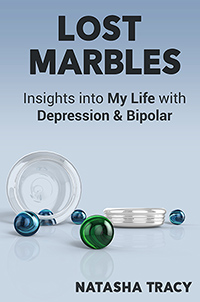
Find more of Natasha’s work in her acclaimed book: "Lost Marbles: Insights into My Life with Depression & Bipolar" on Amazon.
Connect with Natasha at the social media links below.
Shopping for someone with a mental illness can feel tricky—you want a gift that actually helps, not just more clutter. This guide walks you through 15 thoughtful, low-pressure mental health gifts that offer real comfort, reduce stress, and say, “I see you and I’m here,” during the holidays and all year.
I’m never going to call bipolar pain a “gift.” Most days, I just want it to stop. But emotional and even physical pain aren’t always random torture—they’re often trying to tell us something. This piece digs into what your pain might be saying, how to listen, and how that can make living with it just a little easier.
After 24 of 30 TMS sessions with no meaningful improvement, I wrote the guide I needed: why failed treatment hurts, how to get through the next 72 hours, and what to ask your clinician now.
COMH, yeah, I think the hormonal connection isn't that earth-shocking, but I guess no one ever talking to me about birth control pills was what I found amazing.
As for which pills to take, that's just a guess-and-check scenario. Everyone is different so you have to try one and see how you, personally respond. Even with weight gain, they don't know which one will do what because people are so different.
The good news is there are quite a few choice and you'll probably be able to find one that suits you if you want.
Consumer of Mental Health
on May 14, 2010 at 3:51 pm
Hi again,
I've known about the hormonal contraception-depression connection for a while now and I've tried to do as much research as possible. It's very hard to get good info about it and I think it's a very poorly understood connection. I still don't know which pills are better or worse for depression, and which ones don't cause weight gain, so I've given up on them entirely! Sometimes it sucks to be a woman.
Subscribe to my monthly newsletter to get the latest from Bipolar Burble, Breaking Bipolar, my vlogs at bpHope, my masterclasses, and other useful tidbits -- plus get a FREE eBook on coping skills.
Thank you for subscribing. Look for an email to complete your subscription.




COMH, yeah, I think the hormonal connection isn't that earth-shocking, but I guess no one ever talking to me about birth control pills was what I found amazing.
As for which pills to take, that's just a guess-and-check scenario. Everyone is different so you have to try one and see how you, personally respond. Even with weight gain, they don't know which one will do what because people are so different.
The good news is there are quite a few choice and you'll probably be able to find one that suits you if you want.
Hi again,
I've known about the hormonal contraception-depression connection for a while now and I've tried to do as much research as possible. It's very hard to get good info about it and I think it's a very poorly understood connection. I still don't know which pills are better or worse for depression, and which ones don't cause weight gain, so I've given up on them entirely! Sometimes it sucks to be a woman.